This is my first time being interviewed on Free Malaysia Today and here is the article, published in conjunction with World Book Day, together with 2 other authors Shih-Li Kow and Malachi Edwin Vethamani:
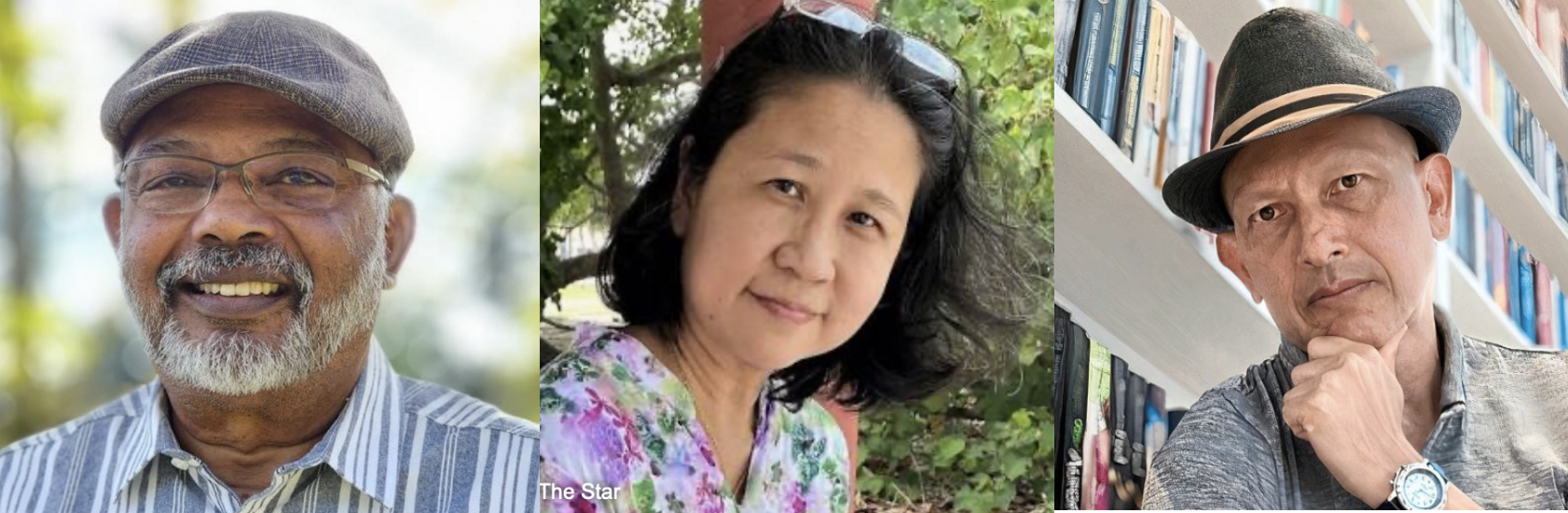
PETALING JAYA: Before the days of cinema and television, many kids grew up with their noses in their books. Although films, comics and social media have largely displaced the reading habit, the written word still wields considerable power.
World Book Day celebrates literature as well as the creative minds that produce them. To mark the occasion, FMT Lifestyle caught up with three local authors for their thoughts on the reading culture, what it takes to be a writer and how technology is shaping the literary world today.
Shih-Li Kow of the award-winning “The Sum of Our Follies”, told FMT Lifestyle: “I started writing in my late thirties when I did a workshop on some English books at the time.” Coincidentally, that was where she met her first publisher.
Meanwhile Tunku Halim, Malaysia’s famed horror novelist, said he began writing 30 years ago while working at a condo development firm.
“I was struck by how so many people weren’t asking the right questions before they made such a huge investment.” So, he wrote a book on how to buy apartments! He has since transitioned from real estate tips to spooky stories, inspired by Malaysia’s many supernatural tales.
It was a little different for voracious reader Malachi Edwin Vethamani who said that winning a consolation prize for a national short story competition in 1994 encouraged him to keep writing. “Not so much for the money but that my work had literary merit,” the academic, poet and writer said.
When asked for her thoughts on the current local writing scene, Kow said it was “evolving”. She recalled how short stories were once the trend, with many authors cutting their teeth via anthologies.
“There’s a lot of speculative fiction now and I think writers are more adventurous and freer to write what they want to write. It’s quite an exciting time!”
Malachi concurred, saying the local scene was promising. “It is good to see many Malaysian writers making a presence both in the local and international literary scenes.”
Halim however, lamented that Malaysians, despite participating in educational programmes, have a general disinterest in reading. And as any writer worth his salt knows, reading forms the basis for good writing.
To those hoping to write their first book, Kow asked: “Have you read enough to feel that you have a certain level of competency?”
Similarly, Malachi said that reading is a must before writing as it gives “a good idea on what one is venturing into”.
In addition to learning how to write, Tunku Halim said that one needs a clear idea of what they want to write about and why. “If you’re doing it for fame and money then I suggest becoming an influencer or YouTuber. Writing, especially locally, does not pay nor will it make you famous!”
World Book Day is sometimes called World Book and Copyright Day, with copyright a hot topic due to the emergence of Generative AI programmes.
“AI will never replace authors. It cannot replace the humanity that comes from a living person creating a work of art,” Kow said. She suggested AI be used as a tool, akin to programmes like Microsoft Word and Grammarly, rather than a surrogate writer.
“When it comes to new writing,” said Tunku Halim, “AI is amazing, captivating but very dangerous.” With publishers unable to tell if a draft was AI-generated or not, he said writers were likely going to face increased scrutiny.
Malachi also warned that while AI makes researching topics convenient, it also makes plagiarism likelier and easier.
“I do not subscribe to using it for creative writing purposes. As a writer, I want to be my own source. Creativity needs to come from the individual writer.”
Support local writers! Check out these works by Kow, Halim and Malachi.



 Write Lah!